
Running Injury Treatment
Recover faster with non-invasive injury treatments for runners in Los Angeles.

Recover faster with non-invasive injury treatments for runners in Los Angeles.
For runners, injuries can be a frustrating thing to experience. There are a number of injuries and conditions that may result from the wear and tear associated with running. Common injuries include but are not limited to: runner’s knee; shin splints; muscle sprains and strains; plantar fasciitis; and achilles tendinopathy.
If you’re dealing with a running injury that is preventing you from performing your best, Dr. Sheps, D.C. offers expert treatment for running injuries at his practice in Brentwood, Los Angeles, using manual and noninvasive therapies to treat a variety of injuries – from knee pain to plantar fasciitis.

A running injury is a joint or muscle injury that develops during or as a result of running. Common examples include plantar fasciitis, Achilles tendinitis, runner’s knee, and shin splints.
These injuries are often caused by overuse, poor running mechanics, or both—and if not properly treated, they can worsen and limit your ability to stay active or continue training.
Every body is different, so injuries and conditions can affect people in unique ways. After an initial evaluation, Dr. Sheps will recommend a personalized plan to treat running injuries for his Los Angeles patients. As a certified McKenzie practitioner, he also provides at-home care techniques to support your recovery.
Depending on your needs, Dr. Sheps, D.C. may recommend one or more methods to treat a running injury.
Schedule an initial call, where we learn about your injury.
Come into our Los Angeles clinic, for your 60 minute assessment.
We create a personalized plan to treat your running injury.
You feel pain free and return to the sports and activities you love to play.
Here are some frequently asked questions concerning running injuries.
We frequently treat conditions like plantar fasciitis, shin splints, runner’s knee (patellofemoral pain syndrome), IT band syndrome, Achilles tendinitis, and lower back or hip pain—all common overuse injuries in runners.
A sports chiropractor identifies imbalances or mechanical issues contributing to your pain, then uses techniques like joint adjustments, soft tissue therapy, and corrective exercises to reduce inflammation, restore alignment, and support healing.
Yes—by improving your body’s biomechanics, posture, and movement patterns, chiropractic care can reduce your risk of re-injury. We also provide gait analysis runners in Los Angeles and personalized strengthening/stretching plans to support long-term performance.

Dr. Michael D. Sheps is a chiropractic orthopedist who is certified in the McKenzie Method of Mechanical Diagnosis and Therapy (MDT). Dr. Sheps specializes in safe, non-invasive therapy alternatives for musculoskeletal disorders.
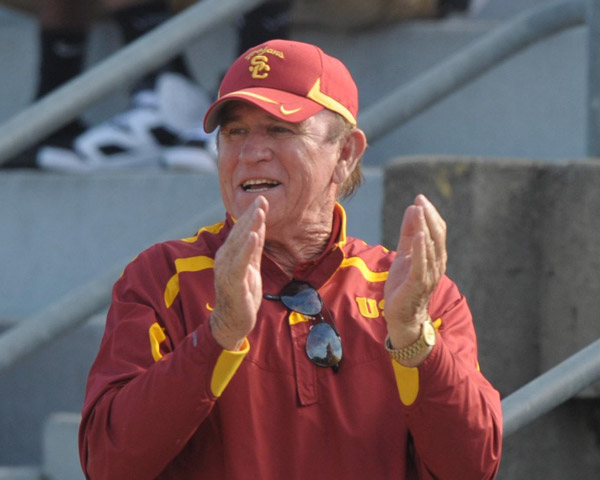
“Dr. Sheps is one of the best sports doctors in the business. He was our go-to guy when we needed to one of our athletes healthy in a hurry. He did a tremendous job of working with Lionel Larry, and helping him achieve his All-American status.”
– Coach Ron Allice, former USC head coach

“Dr. Sheps has helped me tremendously with multiple running injuries. He is my go to whenever I have a problem!”
– Hannah A.

“Dr. Sheps is the absolute best in the business. As a Division I athlete, I wouldn’t go to anyone else. Any unresolved issue I’ve had, especially recurring hamstring problems, he’s been able to fix in just one or two sessions and get me back on the track within days. Without him, some of these injuries could have easily turned into months-long setbacks. He truly understands athletes and how the body works at a high level, and I’m incredibly grateful to have met him.”
— Arian N.
“
Dr. Sheps, the best!! I’ve known him for 12 to 13 years. He started by treating my daughter to keep her healthy so she could finish her high school track seasons. She was able to medal in the California State Championships 3 years in a roll with his help, and earn a scholarship to run on the college level. That got her to the NCAA championships.”
— Harold G.
Get expert relief from a running injury — book your consultation with Dr. Sheps today.
11710 Wilshire Blvd, Los Angeles, CA 90025
Serving the following neighborhoods:
We’re located on the corner of Wilshire and Barrington, and have one‑hour validated parking.